

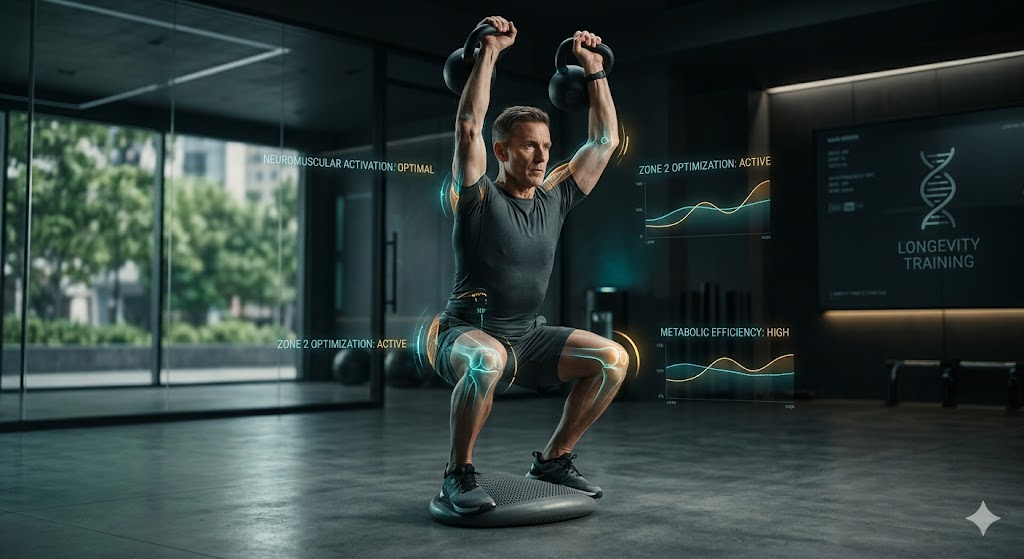

Longevity training is becoming an essential approach for those seeking to extend their healthy years and maintain functional independence. Central to this concept is neuromuscular activation, a critical process that empowers muscles to contract effectively, maintaining strength, coordination, and overall physical performance. Understanding how to engage in longevity training with an emphasis on effortless neuromuscular activation can enhance your lifespan and quality of life.
What Is Neuromuscular Activation and Why It Matters for Longevity Training?
Neuromuscular activation refers to the communication between the nervous system and muscle fibers, triggering muscle contractions. Efficient activation supports muscle strength, balance, and quick responses to physical demands. As we age, neuromuscular communication declines, leading to weaker muscles, increased fall risk, and diminished mobility. Longevity training prioritizes techniques that enhance this activation, counteracting some of the natural deterioration seen in aging.
By focusing on neuromuscular efficiency, individuals can prevent or delay conditions like sarcopenia—the age-related loss of muscle mass and function—which profoundly impacts independence and overall health. Longevity training that targets neuromuscular activation not only improves muscle strength but also enhances neural pathways crucial for coordination and motor control.
Zone 2 Optimization: The Cardio-Neural Connection in Longevity Training
One often overlooked but vital aspect of longevity training is Zone 2 optimization. Zone 2 refers to a moderate-intensity exercise heart rate zone where fat oxidation is maximized, and mitochondrial efficiency is improved. Training in this zone stimulates many physiological benefits, including enhanced cardiovascular health, improved insulin sensitivity, and increased capillary density in muscles.
How does this relate to neuromuscular activation? Enhanced metabolic function achieved through Zone 2 training supports better energy production in muscles and nerves. When your muscles receive the fuel they need efficiently, the neuromuscular junctions—the critical synapses where nerves meet muscles—function more effectively. This improvement translates into smoother and more effortless muscle activation, a cornerstone of longevity training.
Implementing regular Zone 2 aerobic sessions, such as brisk walking, cycling, or swimming at a steady pace, assists in preserving muscle function and metabolic health simultaneously. This synergy between cardiovascular fitness and neuromuscular function is a foundational principle for resilient aging.
Preventing Sarcopenia: Essential Muscle Preservation Strategies
Sarcopenia prevention is a primary goal within longevity training, as the loss of muscle mass drastically reduces physical capabilities and increases frailty. Neuromuscular decline is often a precursor to sarcopenia, making its prevention critical.
Strength training exercises that stimulate neuromuscular activation—such as resistance training, bodyweight movements, and balance exercises—are effective tools. Performing compound movements that recruit multiple muscle groups fosters improved muscle recruitment patterns and neural efficiency.
Additionally, incorporating eccentric training—exercises focused on the controlled lengthening of muscles—can further enhance neuromuscular function and muscle growth. These muscle-preserving tactics reduce the risk of falls, fractures, and chronic illnesses associated with muscle weakness.
Nutrition also plays a role. Adequate protein intake, coupled with nutrients that support nerve health (such as omega-3 fatty acids, vitamin D, and B-complex vitamins), amplifies the effects of neuromuscular-focused training.
Metabolic Biohacking: Enhancing Neuromuscular Activation for Longevity
Metabolic biohacking refers to the strategic manipulation of diet, exercise, and lifestyle factors to optimize metabolic function. Within longevity training, metabolic biohacking can amplify neuromuscular activation by creating an internal environment that promotes muscle and nerve health.
Intermittent fasting and time-restricted eating, for example, have been shown to improve mitochondrial efficiency and reduce systemic inflammation, both of which are critical for maintaining neuromuscular health. Combined with targeted supplements like creatine and acetyl-L-carnitine, metabolic biohacking supports strength, endurance, and neural communication.
Integrating cold exposure or sauna use can also boost mitochondrial function, further enhancing the energy supply necessary for effective neuromuscular activation.
Putting It All Together: Practical Tips for Effortless Neuromuscular Activation
To optimize longevity training with an emphasis on neuromuscular activation, consider the following practical strategies:
– Incorporate Zone 2 cardiovascular workouts at least 3 times per week to improve metabolic health and support neuromuscular function.
– Engage in regular strength and functional training focused on multi-joint and eccentric movements to stimulate neural recruitment and muscle preservation.
– Adopt metabolic biohacking approaches including intermittent fasting, nutrient optimization, and recovery modalities like sauna or cold therapy.
– Prioritize consistency and progressive overload to continuously challenge neuromuscular pathways without causing injury.
– Maintain proper hydration and nutrient intake to support neural transmission and muscle repair.
By combining these tactics, longevity training moves beyond just extending life span—it’s about enhancing healthspan, the period of life spent in optimal physical and cognitive health. Effortless neuromuscular activation enables more fluid, powerful movements and greater independence well into later years.
Conclusion
Longevity training that targets neuromuscular activation represents a proactive, science-backed approach to aging well. Zone 2 optimization, sarcopenia prevention, and metabolic biohacking form the pillars that support this goal. Embracing these strategies can profoundly influence how your muscles and nerves perform together, keeping you strong, agile, and vibrant for decades to come. Investing in your neuromuscular health today sets the stage for a healthier, more active future.
